
Only logged in customers who have purchased this product may leave a review.
Availability: Available immediately
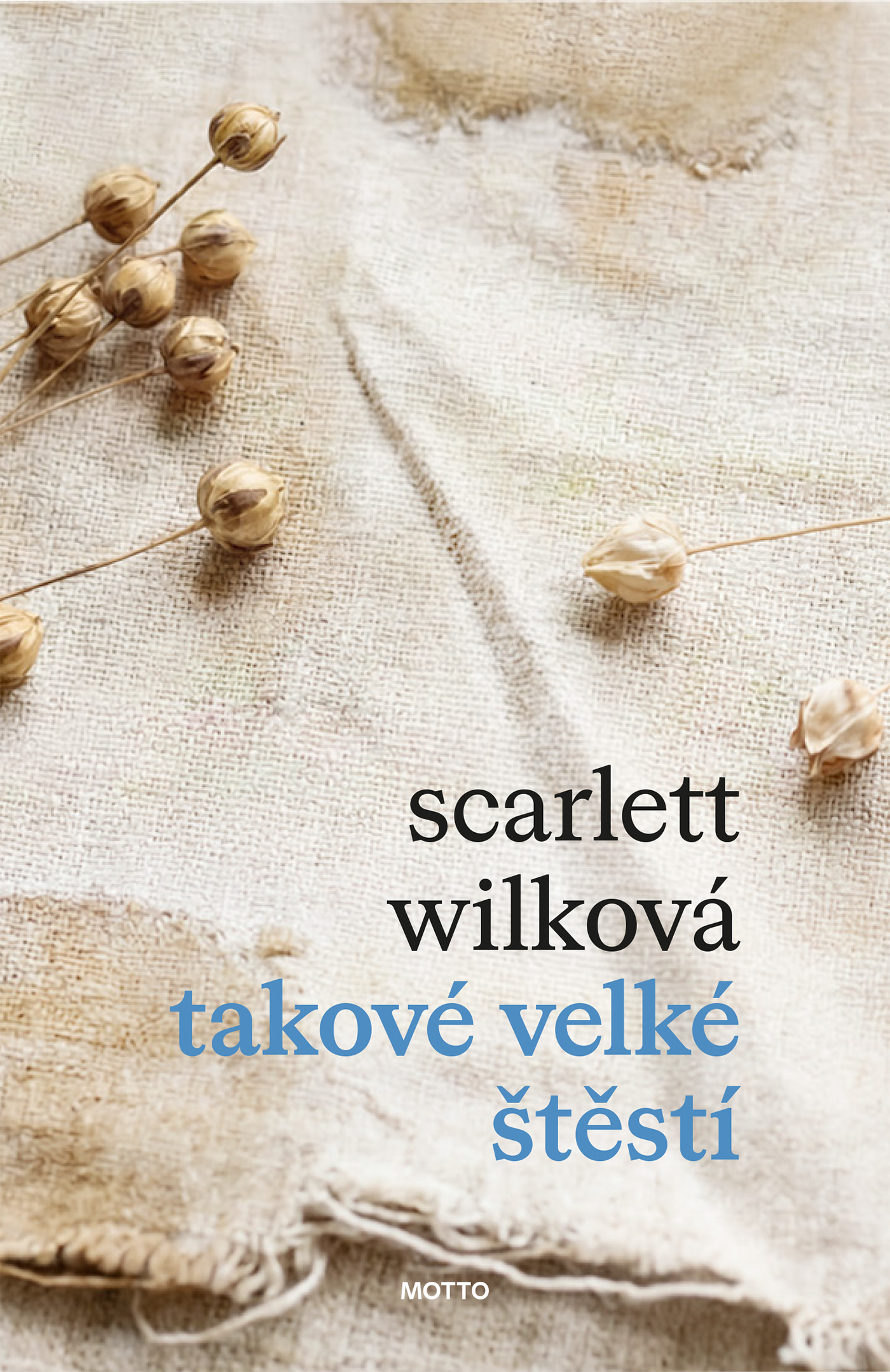
Takové velké štěstí
Author: Scarlett Wilková
13,96 €
Takové velké štěstí explores the cost of a life others consider enviable. In 1946, the impoverished Lipka marries the heir to a wealthy farm. Family circumstances and emerging political power, however, transform her life in ways that social advancement cannot resolve.
Scarlett Wilková sets this family saga in the postwar Czech countryside. Lipka's marriage to the heir of the richest farm becomes a village event, but inequality and family grievances lie behind the promise of happiness.
The emerging communist regime and collectivization disrupt property, relationships, and farming families' sense of home. Political decisions also confront individuals with questions of conscience and responsibility for injustice.
Lipka later starts again in the harsh Jeseníky borderlands, caring for children who are not her own and carrying the burden of the past. The story shifts its focus from property to care, responsibility, and the ability to persevere under difficult conditions. One woman's experience becomes intertwined with the transformation of rural life.
This Czech-language edition under the Motto imprint has 304 pages. E-book formats: EPUB, PDF, and MOBI.
Takové velké štěstí explores the cost of a life others consider enviable. In 1946, the impoverished Lipka marries the heir to a wealthy farm. Family circumstances and emerging political power, however, transform her life in ways that social advancement cannot resolve.
Book information
- Author
- Scarlett Wilková
- Publisher
- Albatros Media a.s.
- Imprint
- Motto
- Formát
- E-book
- Language
- Czech
- Genre
- historický román, rodinná sága
- ISBN
- 978-80-267-6144-0
- Publication date
- 10. September 2026
- Pages
- 304
- E-book formats
- EPUB (ISBN 978-80-267-6153-2) · PDF (ISBN 978-80-267-6145-7) · MOBI (ISBN 978-80-267-6154-9)
What is Takové velké štěstí about?
Scarlett Wilková sets this family saga in the postwar Czech countryside. Lipka's marriage to the heir of the richest farm becomes a village event, but inequality and family grievances lie behind the promise of happiness.
The emerging communist regime and collectivization disrupt property, relationships, and farming families' sense of home. Political decisions also confront individuals with questions of conscience and responsibility for injustice.
Lipka later starts again in the harsh Jeseníky borderlands, caring for children who are not her own and carrying the burden of the past. The story shifts its focus from property to care, responsibility, and the ability to persevere under difficult conditions. One woman's experience becomes intertwined with the transformation of rural life.
Themes and motifs
The cost of happiness
A marriage that looks fortunate from outside conceals complicated family circumstances.
Collectivization
Political change affects the property and lives of farming families.
Home and lost security
Rural transformation deprives families of their former position.
Caring for children
Lipka begins a new life with children who are not her own.
Conscience and power
The period raises questions of personal responsibility for injustice.
Setting
The postwar Czech countryside from 1946 and the Jeseníky borderlands during the rise of communism and collectivization.
Main characters
Lipka
A poor woman whose marriage and new beginning in Jeseníky form the center of the saga.
Who is this book for?
For readers of Czech historical novels and family sagas with a female protagonist and an interest in postwar rural life.
Book context
The novel continues Scarlett Wilková's interest in Czech wartime and postwar history. She is a journalist who collaborated with the Paměť národa project.
Otázky o knihe
Who is the author?
Scarlett Wilková, a Czech writer and journalist.
Where and when does the story begin?
In the Czech countryside in 1946. Lipka's later life is connected to Jeseníky and collectivization.
What themes does the book explore?
Family grievances, the cost of apparent happiness, loss of home, collectivization, and caring for children.
What edition is this?
This Czech-language e-book under the Motto imprint has 304 pages and comes in EPUB, PDF, and MOBI formats.




Reviews
There are no reviews yet.